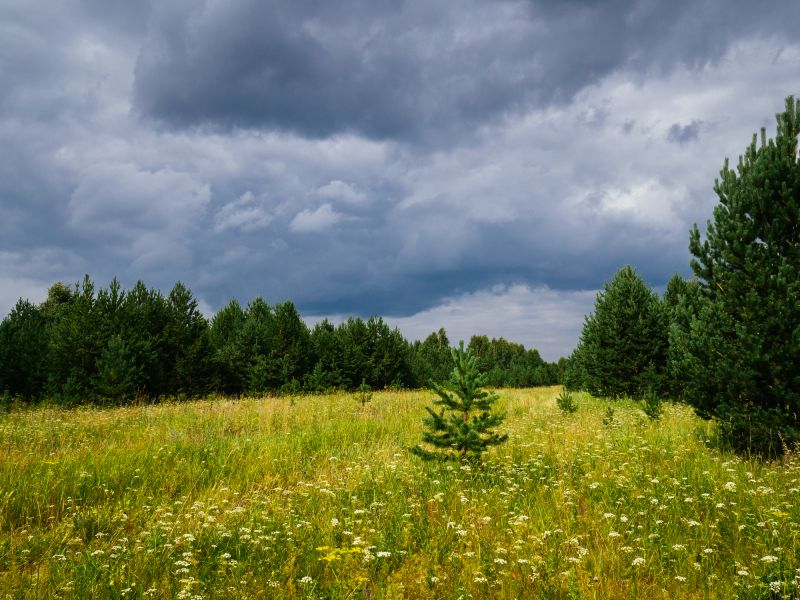
Field Clearing in Houston, TX
Field clearing services involve removing unwanted vegetation, trees, brush, and debris from a property to prepare it for development, landscaping, or maintenance. These services are commonly requested for projects such as lot clearing for new construction, creating open spaces for recreational use, or maintaining property aesthetics by removing overgrowth. Homeowners typically want to understand the extent of clearing needed, the types of vegetation that will be removed, and any potential impact on existing trees or landscape features before requesting service.
Property owners should consider factors such as the size of the area to be cleared, the presence of mature trees or protected vegetation, and any local regulations or permits required for land disturbance. Clarifying these details helps ensure the clearing process aligns with project goals and property guidelines. Proper planning can facilitate a smooth clearing operation that prepares the land for its intended use while minimizing disruption to the property.
Many property owners in Houston, TX look into Field Clearing for repairs, replacements, upgrades, and appearance-related improvements.
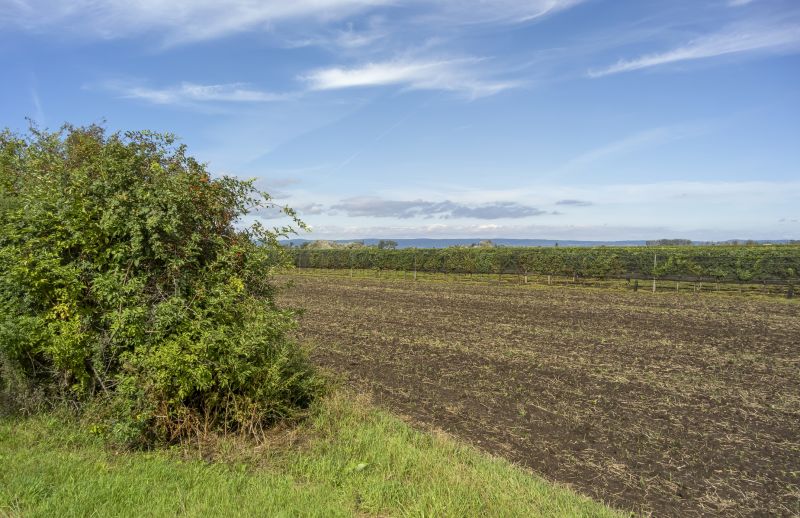
Site Preparation For Development
Clearing overgrown land to prepare for construction or landscaping projects.
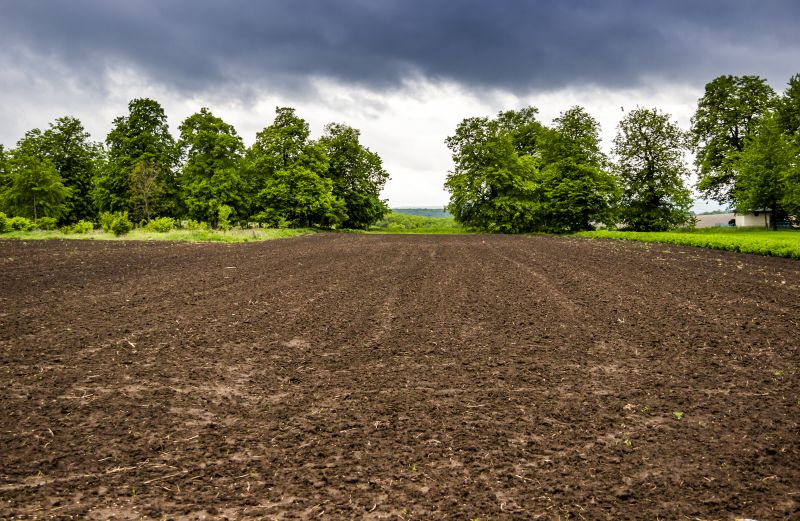
Emergency Land Clearing
Removing fallen trees and debris after storms or severe weather events.
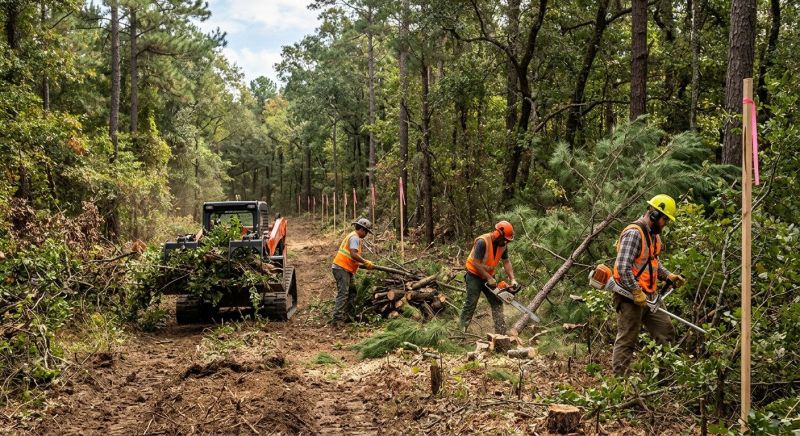
Agricultural Land Clearing
Making fields ready for farming, grazing, or new planting areas in houston area farms.
Field Clearing in Houston, TX

Field clearing services involve removing unwanted vegetation, trees, brush, and debris from a property to prepare it for development, landscaping, or maintenance. These services are commonly requested for projects such as lot clearing for new construction, creating open spaces for recreational use, or maintaining property aesthetics by removing overgrowth. Homeowners typically want to understand the extent of clearing needed, the types of vegetation that will be removed, and any potential impact on existing trees or landscape features before requesting service.
Property owners should consider factors such as the size of the area to be cleared, the presence of mature trees or protected vegetation, and any local regulations or permits required for land disturbance. Clarifying these details helps ensure the clearing process aligns with project goals and property guidelines. Proper planning can facilitate a smooth clearing operation that prepares the land for its intended use while minimizing disruption to the property.
Many property owners in Houston, TX look into Field Clearing for repairs, replacements, upgrades, and appearance-related improvements.
Common Field Clearing Jobs
Brush and Debris Removal - clearing overgrown brush and accumulated debris from the property.
Fence Line Clearing - removing trees and shrubs that interfere with fencing or property boundaries.
Lot Preparation - leveling and clearing land for future construction or landscaping projects.
Tree and Shrub Removal - safely cutting back or removing problematic trees and shrubs.
Underbrush Clearing - removing dense undergrowth to improve visibility and property access.
Storm Debris Cleanup - clearing fallen branches and storm-related debris after severe weather.
Field Clearing Questions
What is field clearing used for? Field clearing prepares land for development, farming, or landscaping by removing unwanted vegetation, brush, and debris.
What types of vegetation can be cleared? Commonly cleared vegetation includes grasses, shrubs, small trees, and overgrown brush.
Is field clearing suitable for large properties? Yes, field clearing is effective for both small and large properties needing extensive vegetation removal.
What should property owners consider before clearing? It's important to evaluate the land’s layout, potential hazards, and any local regulations related to vegetation removal.
Request Field Clearing in Houston, TX
Use the quote form on this page to share the basics of your project and request more information for the type of work you need.